
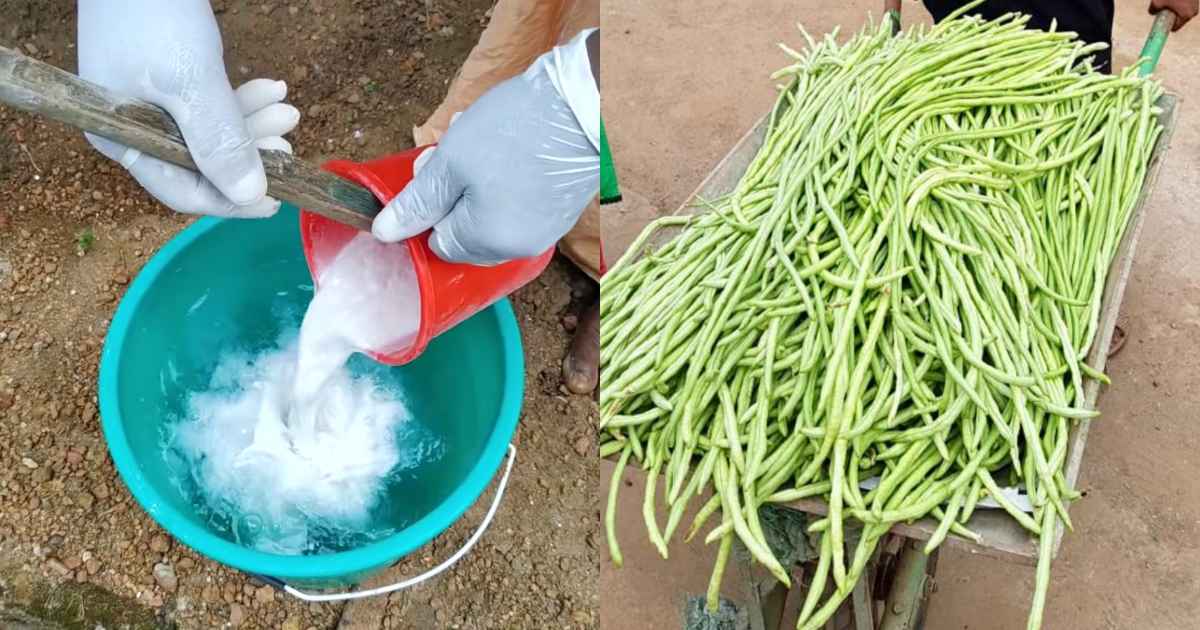
വള്ളിപ്പയർ നിറയെ കായ്ക്കാൻ; അടുക്കളയിലെ വള്ളിപ്പയർ നിറയെ കായ്ക്കാൻ ഈ ഒരു വളം മാത്രം മതി | Vallipayar Krishi Tips

Vallipayar Krishi Tips : വള്ളിപ്പയർ നന്നായി കായ്ക്കാൻ ഒരു കപ്പ് ജൈവദ്രാവകം ഒഴിച്ച് കൊടുത്താൽ മതി എന്ന തരത്തിലുള്ള സൂത്രവിദ്യകൾ പലർക്കും ഉപകാരപ്പെടും. എല്ലാവർക്കും ഇഷ്ടമുള്ള ഒരു പച്ചക്കറിയായ വള്ളിപ്പയർ വിജയകരമായി കൃഷി ചെയ്യാൻ ആദ്യം വട്ടത്തിൽ തടം കുഴിച്ച് മണ്ണ് ഒരുക്കണം. ശേഷം തടത്തിലെ മണ്ണ് അല്പം ഇളക്കി, ഒരു സ്പൂൺ കുമ്മായം പതിനഞ്ച് ദിവസം മുൻപ് വിതറി ഇടുന്നത് മണ്ണിനെ ശുദ്ധീകരിക്കാനും ചെടിക്ക് ആവശ്യമായ കാൽസ്യം ലഭിക്കാനും സഹായകരമാണ്. Vallipayar Krishi Tip…
Vallipayar Krishi Tips : വള്ളിപ്പയർ നന്നായി കായ്ക്കാൻ ഒരു കപ്പ് ജൈവദ്രാവകം ഒഴിച്ച് കൊടുത്താൽ മതി എന്ന തരത്തിലുള്ള സൂത്രവിദ്യകൾ പലർക്കും ഉപകാരപ്പെടും. എല്ലാവർക്കും ഇഷ്ടമുള്ള ഒരു പച്ചക്കറിയായ വള്ളിപ്പയർ വിജയകരമായി കൃഷി ചെയ്യാൻ ആദ്യം വട്ടത്തിൽ തടം കുഴിച്ച് മണ്ണ് ഒരുക്കണം. ശേഷം തടത്തിലെ മണ്ണ് അല്പം ഇളക്കി, ഒരു സ്പൂൺ കുമ്മായം പതിനഞ്ച് ദിവസം മുൻപ് വിതറി ഇടുന്നത് മണ്ണിനെ ശുദ്ധീകരിക്കാനും ചെടിക്ക് ആവശ്യമായ കാൽസ്യം ലഭിക്കാനും സഹായകരമാണ്.
Vallipayar Krishi Tip
- Choose well-drained loamy or sandy soil.
- Select healthy, disease-free seeds.
- Sow during pre-monsoon or after first rains (May–June, Sept–Oct).
- Plant seeds 2–3 cm deep, 30–45 cm between rows, 15–20 cm between plants.
- Maintain moderate soil moisture; avoid overwatering.
- Apply compost, cow manure, or balanced NPK fertilizers.
- Provide stakes or trellis for climbing varieties.
- Control pests like aphids and pod borers using organic methods.
- Harvest pods 50–60 days after sowing; pick regularly.
- Intercrop with maize, cassava, or compatible crops for better yield.
മണ്ണ് വളരെ വരണ്ടതാണെങ്കിൽ അല്പം വെള്ളം തളിച്ചശേഷം കുമ്മായം ചേർത്താൽ അത് മണ്ണിനോട് നന്നായി ചേർന്ന് നിൽക്കും. വിത്ത് പാകുന്നതിന് മുമ്പ് പയർ വിത്ത് മൂന്നു മണിക്കൂർ വെള്ളത്തിൽ കുതിർത്തുവെക്കാം. തുടർന്ന് വിത്ത് നടാനുള്ള മിശ്രിതമായി മണ്ണ്, ചകിരിച്ചോറ്, മണ്ണിരക്കമ്പോസ്റ്റ് എന്നിവ ചേർത്ത് നന്നായി കലർത്തണം. ഈ മിശ്രിതം ട്രേയിൽ നിറച്ച് വിത്ത് ചെറിയ കുഴികളിൽ പാകിയാൽ ഏകദേശം 15 ദിവസത്തിനകം മുളപ്പു കാണാൻ തുടങ്ങും.
തടമൊരുക്കിയ സ്ഥലത്ത് കുമ്മായം നൽകിയതിന് ശേഷം എല്ലുപൊടി, ചാണകപ്പൊടി, വേപ്പിൻപിണ്ണാക്ക് എന്നിവ ചേർത്ത് മണ്ണുമായി നന്നായി കലർത്തണം. വേപ്പിൻപിണ്ണാക്കും എല്ലുപൊടിയും ഏകദേശം 100 ഗ്രാം വീതവും, ചാണകപ്പൊടി കുറച്ച് കൂടുതൽ അളവിലും ചേർക്കുന്നത് നല്ലതാണ്. ചെടിയുടെ വളർച്ചയ്ക്ക് ചാണകപ്പൊടി പ്രധാന പങ്ക് വഹിക്കുന്നു. പയർ കൃഷിയുടെ തുടക്കത്തിൽ നിന്ന് വിളവെടുപ്പ് വരെയുള്ള ഘട്ടങ്ങൾ കൃത്യമായി പാലിച്ചാൽ മികച്ച വിളവ് ലഭിക്കാൻ സഹായിക്കും. ശരിയായ മണ്ണൊരുക്കലും ജൈവവളപ്രയോഗവും പാലിച്ചാൽ വള്ളിപ്പയർ കുലകുത്തി കായ്ക്കാൻ സാധ്യത കൂടുതലാണ്. Vallipayar Krishi Tips Video Credit : Malus Family
Vallipayar Krishi Tips
Soil and Land Preparation
- Use well-drained, fertile loamy soil rich in organic matter with pH 6 to 7.
- Plough land 2-3 times to loosen soil and remove weeds.
- Prepare raised beds or mounds spaced about 20-25 cm apart for good drainage.
Seed Selection and Sowing
- Use fresh, healthy seeds from reliable sources.
- Sow 2 seeds per hole with spacing of 30 cm between rows and 15 cm between plants.
- Maintain watering but avoid waterlogging to prevent root rot.
Support and Training
- Provide trellises, poles, or netting to support the climbing vines.
- Train vines to climb supports for better air circulation and sunlight exposure.
Fertilization
- Apply organic manure such as farmyard manure at 20 tons per hectare before planting.
- Use nitrogen, phosphorus, and potassium fertilizers as recommended (e.g., N 20 kg, P 30 kg, K 10 kg per hectare).
- Side-dress nitrogen after initial growth phases to promote healthy foliage.
Watering
- Maintain moderate moisture; irrigate regularly especially during flowering and pod setting.
- Avoid excess moisture which encourages diseases.
Pest and Disease Management
- Monitor for common pests like aphids and beetles; use organic pesticides when needed.
- Prevent fungal diseases by ensuring good air circulation and avoiding overcrowding.
Harvesting
- Harvest pods when they are young, tender, and about 30-50 cm long for best quality.
- Regular harvesting encourages continuous pod production.
